
Introduction
Walk into any city mall, from Los Angeles to London to Bengaluru, and there’s a good chance you’ll spot a glowing sign promising tacos, burritos, or quesadillas. The rise of chain Mexican restaurants isn’t just about food — it’s about how flavor travels, adapts, and scales across continents.
Once considered a niche cuisine outside Mexico, Mexican food has gone mainstream. The bright branding, customizable menus, and fast-casual convenience of chain restaurants have transformed it into a global industry. But behind the guacamole and the catchy taglines lies a complex mix of cultural translation, supply chain mastery, and consumer psychology.
Today, Mexican food chains are navigating a new world — one that demands authenticity and sustainability while still craving speed and familiarity. Let’s unwrap the story of how they got here, where they’re heading, and what keeps them sizzling in a crowded marketplace.
A Market Built on Flavor and Familiarity
Global Growth and Reach
The Mexican restaurant industry has exploded in size and sophistication. Globally, it’s projected to reach USD 76.27 billion by 2025, driven by rapid international expansion and consumer demand for flavorful, fresh, and customizable food.
In the United States alone, there are over 80,000 Mexican restaurants, accounting for nearly 10% of all eateries nationwide. What started as a handful of regional taquerias has evolved into a mix of global giants and mid-sized regional chains.
Leaders of the Pack
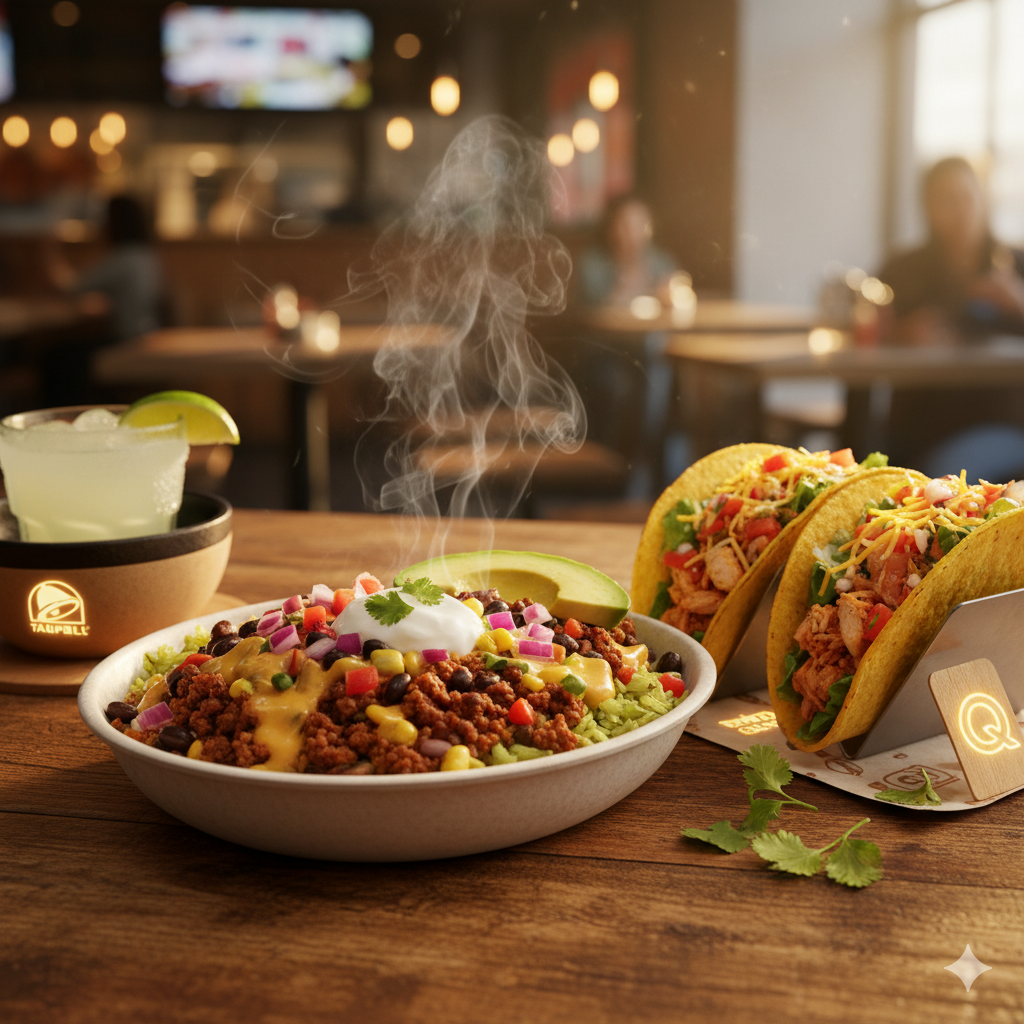
Taco Bell dominates the segment, representing almost 10% of all Mexican restaurants in the U.S. and more than a quarter of chain-operated outlets. Its secret? Endless reinvention — limited-time items, collaborations, and menu innovation.
Chipotle Mexican Grill, with more than 3,700 restaurants worldwide, leads the “fast-casual” movement. Its promise of fresh, ethically sourced ingredients and transparency resonates with modern diners who care about where their food comes from.
Smaller but significant players — On the Border, Rubio’s Coastal Grill, Qdoba, and California Tortilla — carve out regional or niche audiences with distinctive flavors or beach-themed vibes.
Between 2023 and 2024, Taco Bell added over 600 new units, while Chipotle opened about 300, reflecting how high-performing brands still find room to grow even in a saturated market.
The Business of Consistency and Culture
Standardization Meets Local Adaptation
The biggest strength of chain Mexican restaurants lies in their formula: reliable recipes, efficient service, and recognizable branding. Consumers know exactly what to expect — from the warm tortilla aroma to the interior design. But global growth demands flexibility.
Successful chains localize flavors — spicier salsas in India, vegetarian options in the Middle East, milder offerings in Japan. This delicate balance between brand consistency and regional customization determines whether a chain thrives or fizzles.
Supply Chain and Sourcing Strategy
Behind every burrito is a logistical masterpiece. Chains rely on centralized sourcing for tortillas, proteins, and sauces, which ensures uniform taste and cost control. But the flip side is vulnerability — when avocado or beef prices spike, margins take a hit.
Inflation in 2023–2024 exposed this fragility, forcing many mid-tier chains to shrink menus or raise prices.
Technology and the Digital Kitchen
The post-pandemic consumer expects convenience. Mobile apps, online ordering, and AI-driven loyalty programs now define the customer experience. In 2024, digital orders made up nearly 45% of Chipotle’s total sales, showing how much tech now shapes dining behavior.
Even dine-in brands like On the Border introduced kiosks and contactless payments to improve efficiency and collect valuable customer data — turning casual dining into a data-driven business.
Challenges Heating Up the Kitchen
Rising Costs and Labor Shortages
Operating a restaurant chain has never been costlier. Labor shortages, rising wages, and surging ingredient prices have squeezed margins. Many smaller chains — such as Abuelo’s Mexican Restaurant — faced closures or bankruptcy during 2024–2025 due to operational strain.
The Authenticity Dilemma
A growing segment of diners seeks “real Mexican” experiences — regional dishes like mole poblano or tlayudas rather than Tex-Mex hybrids. Chains that rely too heavily on gimmicks risk losing cultural credibility. The challenge is to stay approachable without erasing the cuisine’s roots.
Brand Fatigue and Oversaturation
In markets like the U.S., consumers can only eat so many burritos. Oversaturation has forced chains to innovate or diversify. Limited-time offers, creative collaborations, and menu mashups (like Taco Bell’s “Mexican Pizza” revival) have become survival tactics in an overcrowded field.
Mini Case Studies
- Chipotle’s Return to Mexico (2024): After years of avoiding its cuisine’s birthplace, Chipotle partnered with local operator Alsea to open its first Mexican locations. The move reflects growing confidence in its global identity — and the irony of selling burritos to Mexicans.
- Taco Bell’s Enduring Dominance: By leaning into humor, nostalgia, and digital engagement, Taco Bell added over 600 outlets in 2023 alone and recorded 8% same-store growth. Its model proves that personality can be as powerful as product.
- Rubio’s Coastal Grill: With 80+ outlets in 2025, Rubio’s focuses on California-inspired freshness — fish tacos, sustainable seafood, and a casual coastal vibe. Its slower, steady expansion shows that not all success needs to scale overnight.
The Road Ahead: Reinvention and Responsibility
Plant-Based and Fusion Menus
As consumer consciousness shifts, chains are experimenting with plant-based proteins, sustainable packaging, and fusion concepts. Think vegan carnitas, jackfruit tacos, and quinoa burrito bowls. These are not gimmicks anymore — they’re the new mainstream.
Sustainability as a Selling Point
Chains that invest in green operations — waste reduction, local sourcing, renewable packaging — are earning long-term loyalty. In an age where customers care about impact as much as flavor, sustainability isn’t optional.
Expanding Beyond the U.S.
Emerging markets in Asia and Europe are the next frontier. Chains entering India, Indonesia, and the Middle East are tweaking spice levels, removing beef, and using locally inspired ingredients to win new audiences.
Balancing Scale with Soul
Ultimately, the future belongs to brands that blend efficiency with emotion. The winning chains will maintain operational discipline without losing the warmth and storytelling that make Mexican food special.
Conclusion
Chain Mexican restaurants have done more than just popularize tacos — they’ve globalized an entire culture of comfort food. Their challenge now is to evolve: to be faster without being soulless, to be global without being generic.
In the next decade, success won’t depend only on who serves the best burrito, but on who can stay true to the spirit of Mexican cuisine while meeting the ever-changing expectations of the modern diner.
References
- Business Research Insights – Mexican Restaurants Market Size, Share & Growth Analysis (2024–2025)
https://www.businessresearchinsights.com/market-reports/mexican-restaurants-market-117881 - Datassential – Mexican Food Growth in the United States (2024)
https://datassential.com/resource/mexican-food-growth-united-states/ - Restroworks – Mexican Restaurant Industry Statistics (2024)
https://www.restroworks.com/blog/mexican-restaurant-statistics/ - El Restaurante – 2024 Mexican Multi-Unit Report
https://elrestaurante.com/janfeb-2024-multi-unit-report/ - International Business Times UK – Inside Abuelo’s Bankruptcy (2025)
https://www.ibtimes.co.uk/inside-abuelos-bankruptcy-are-americas-mexican-restaurant-chains-brink-collapse-1747505 - AP News – Chipotle Ventures into Mexico with Alsea Partnership (2024)
https://apnews.com/article/a712ee1e2417e63f1399bdcb0c8cf98f - Wikipedia – Chipotle Mexican Grill; On the Border Mexican Grill & Cantina; Rubio’s Coastal Grill; Bisquets Obregón (accessed 2025)
https://en.wikipedia.org/